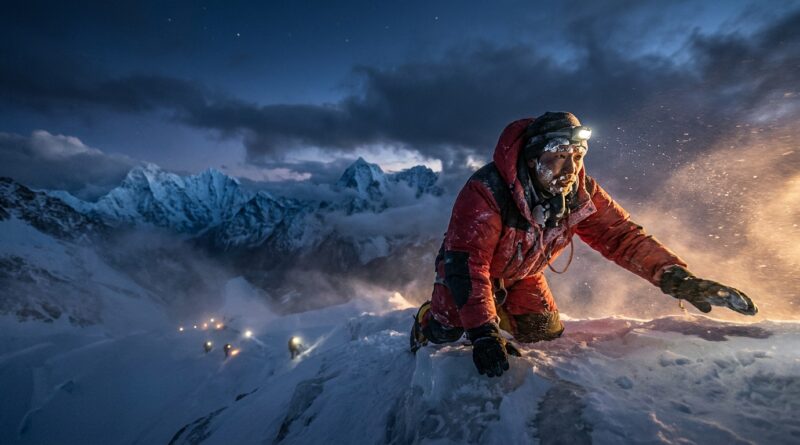
The Sherpa Who Came Back From Everest’s ‘Death Zone’: Inside the Six-Day Miracle No One Can Explain
You know the feeling. Another headline. Another loss. Another reason to think hope is for other people, or for some earlier, kinder version of the world. That is why this Everest Sherpa miracle survival story is hitting so hard. A veteran Sherpa disappeared high on Mount Everest, in the brutal “death zone” where the human body starts shutting down simply from being there too long. For six days, most people assumed the worst. That was the logical conclusion. Then, against the rules of logic and the mountain itself, he came back alive. Staggered. Broken. Alive. Stories like this matter because they cut through the numbness. They remind us that real second chances still happen, and not only to celebrities or people with camera crews following them. Sometimes the person at the center of the miracle is the one who usually carries everyone else, quietly, without applause. That may be the most moving part of all.
⚡ In a Hurry? Key Takeaways
- This Everest Sherpa miracle survival story centers on a veteran guide who survived six days in Everest’s death zone after being feared dead.
- The deeper lesson is simple. Do not underestimate hidden strength, or the life-saving power of one person refusing to give up on another.
- It is also a useful reality check. Everest remains extremely dangerous, and stories like this are miraculous because they are rare, not because the risks are small.
Why this story feels different
We see a lot of “miracle” headlines now. Some are inspiring. Some are stretched thin by the internet’s need for drama. This one lands differently because Everest does not care about optimism, branding or tidy endings.
Above about 26,000 feet, climbers enter what is called the death zone. There is so little oxygen that even simple tasks become exhausting. Judgment slips. The cold bites deeper. Every extra hour matters. Six days is not just a long time up there. It is the kind of timeline that makes survival sound impossible.
So when a veteran Sherpa vanishes in that environment, people do the grim math quickly. Search windows close. Weather shifts. Teams move. Hope narrows.
And then he returns.
What happened on Everest
Reports emerging around this story describe a veteran Sherpa who disappeared high on the mountain and was widely assumed lost after spending six days in the death zone. Then he was seen again, alive, making his way back into view when most had already accepted the mountain had taken him.
That is the headline version. The human version is harder to shake.
This was not a polished comeback staged for an audience. It was a man pushed far past the limits most of us can imagine, surviving in a place where survival is not supposed to stretch that far. It is why so many people are calling it an Everest Sherpa miracle survival story, even if experts will later try to map each possible reason he made it through.
And they should. Facts matter. Mountains demand honesty.
But facts do not cancel wonder. Sometimes they sharpen it.
The people we forget when we talk about Everest
Everest stories often focus on the climber chasing a record, a summit selfie or a bucket-list dream. Sherpas are usually treated like background support, which is a polite way of saying the world often overlooks them.
That is backwards.
Sherpas fix ropes, carry loads, guide routes, make judgment calls in thin air and shoulder terrifying risk so others can stand on top of the world for a few minutes. They are not side characters. They are often the reason the story exists at all.
That is part of why this survival story matters beyond the mountain. It shifts the spotlight onto the quiet professionals who carry more than gear. They carry other people’s ambition, fear, mistakes and survival.
Why “death zone” is not just dramatic language
The phrase sounds like something invented by TV producers, but it is grounded in physiology. At that altitude, the body cannot properly recover. Oxygen is scarce. Frostbite risk climbs. Swelling in the brain or lungs can turn deadly fast. Even experienced climbers can decline in hours.
That context is what makes six days so stunning. This was not a rough camping trip. This was prolonged exposure in one of the harshest environments on Earth.
Why people are calling it a miracle
“Miracle” can be a loaded word. Some hear it and think faith. Others hear it and think probability. In everyday language, it often means this: something happened that should not have happened, and we do not have neat emotional shelves to put it on.
That fits here.
Could there be practical factors behind his survival? Maybe. Experience. Route knowledge. Small pockets of shelter. Timing. Physical conditioning. Plain luck. But stacking possible explanations is not the same as making the outcome feel ordinary. It still does not.
It feels like the mountain blinked.
What this story gives people who are running low on hope
Most of us are not stuck at 26,000 feet. But many people know what it is like to feel written off. Overlooked. Assumed gone, in one way or another.
That is why this story travels beyond mountaineering circles. It speaks to anyone who has felt that their hardest season lasted too long, that others had quietly stopped expecting them to come through, or that rescue was late enough to feel impossible.
This man’s return does not promise that every story turns around. It does something more honest and, in its own way, more powerful. It reminds us not to pretend we know the final line while the story is still being lived.
The stranger who does not walk away
There is another thread here, too. In mountain stories, survival often depends not just on grit but on what another person decides to do in a hard moment. To search longer. To carry more. To turn back for someone. To stay.
That is the part worth bringing down from Everest into normal life.
You may never clip into a rope above the clouds. But you do get chances, all the time, to be the person who notices, checks in, carries extra weight and refuses to leave someone alone in their worst hour.
The hidden Sherpa question
This is the question the story leaves behind: Where am I the hidden Sherpa in someone else’s life?
Maybe you are the coworker who keeps a small team from falling apart. Maybe you are the friend who always answers late-night texts. Maybe you are the parent, partner, neighbor or sibling doing unseen heavy lifting while everybody else talks about the people in front.
Hidden does not mean unimportant. Usually it means the opposite.
And maybe, if we are being honest, some of us are also the person who needs a Sherpa right now. Someone to help carry the next stretch. There is no shame in that either.
What to remember before romanticizing Everest
It is worth saying clearly. This story is hopeful, but it should not make Everest feel safe. Survival in the death zone is not something you plan around. It is not evidence that the risks are exaggerated. It is evidence that this particular outcome is astonishingly unusual.
The mountain remains unforgiving. Sherpas and climbers die there. Families wait for news there. Every miracle on Everest sits beside many tragedies that did not bend.
That truth does not dim this story. It keeps it grounded.
Why this one story matters right now
The news cycle can make tenderness feel childish. You start guarding yourself. You skim. You scroll. You stop expecting to be surprised in a good way.
Then a man disappears in one of the deadliest places on Earth and comes back.
Not a movie character. Not a myth. A working guide. A human being who has spent years helping others chase their summit. There is something deeply right about the world pausing for that.
We need stories that do not insult our intelligence but still give our hearts room to breathe. This is one of them.
At a Glance: Comparison
| Feature/Aspect | Details | Verdict |
|---|---|---|
| Core event | A veteran Sherpa was missing for six days in Everest’s death zone and then reappeared alive. | An extraordinary survival few would have predicted. |
| Why it resonates | It is a rare story of real hope centered on an often-overlooked guide, not a celebrity adventurer. | Deeply moving and bigger than sports-style comeback stories. |
| Real-world takeaway | Hope can outlast assumptions, and one person’s courage or kindness can change another person’s odds. | A strong reminder to notice both hidden burdens and hidden helpers. |
Conclusion
Today the world is watching a veteran Sherpa who vanished high on Everest, was written off after six days in the death zone, and then staggered back into view alive. That is why this Everest Sherpa miracle survival story matters. It is not just another strange medical case or a neat motivational poster. It is a raw, human reminder that second chances still arrive in places where reason says they should not. It also points our attention to the people we too often miss, the quiet guides who risk everything so others can reach their dream. If this story offers anything to carry into the rest of the week, it is this. Even when others stop looking, your story may still turn. One person’s sacrificial kindness can help pull another back from the edge. And somewhere in your own life, you may already be the hidden Sherpa, carrying more than anyone knows. Hold onto that. Hope is still real, at 26,000 feet and at kitchen tables everywhere.