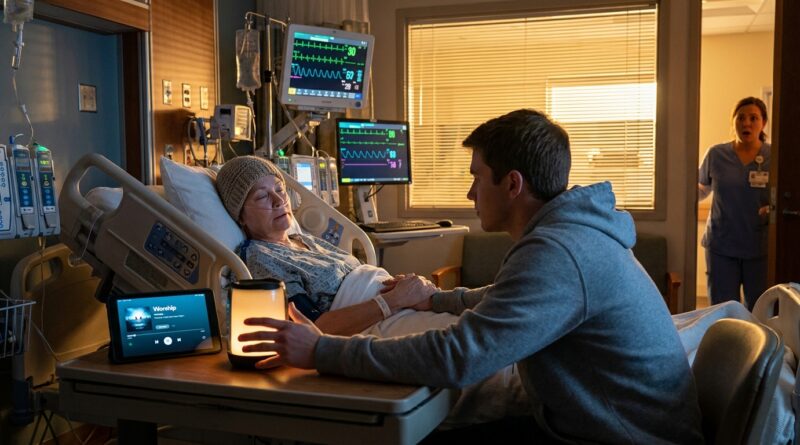
The Mom Who Woke Up Singing: Inside a ‘Doctors Gave Up, But Her Son Didn’t’ Coma Miracle
If you love someone in a coma, the waiting can feel cruel. You hear careful words from doctors, stare at machines, and wonder if your prayers are doing anything at all. A lot of families know this private ache. You talk to the person anyway. You replay old memories. You search for one tiny sign that they are still there. That is why this real life coma miracle story hits so hard. It is not built on vague rumors or made-for-social-media drama. It centers on a mother doctors had nearly given up on, and a son who refused to stop showing up, speaking life over her, and watching for change. Then came the moment no one in the room expected. She woke up singing. For families carrying their own hospital heartbreak, stories like this do not erase pain. But they can offer something precious. A reason to stay present today.
⚡ In a Hurry? Key Takeaways
- This real life coma miracle story shows that some recoveries happen even after doctors give a grim outlook, though no family should treat that as a guaranteed outcome.
- If you are at a bedside now, keep a simple log of responses, speak clearly to your loved one, and pray with specific requests instead of only general hope.
- Miracle stories can comfort people, but they should sit alongside medical guidance, not replace it.
What happened in this coma miracle story
The heart of this story is simple and powerful. A mother was lying unresponsive. Her condition had reached the point where the medical outlook was bleak. The people around her were hearing words families dread. Low chances. Little expectation. Prepare for the worst.
But her son did not treat her like a lost cause.
He stayed close. He spoke to her. He prayed for her. He watched carefully for any small change that might say she was still fighting. In many hospital rooms, that kind of faith can look almost unreasonable. Still, families do it every day because love does not switch off just because the chart looks bad.
Then came the turnaround. Instead of a small twitch or a vague flicker, the mother reportedly woke up singing. Not just awake. Singing. It was the kind of reversal that left the people around her stunned, including members of the medical team who had not expected recovery.
That is why this story lands with such force. It was not a gentle improvement everyone saw coming. It felt sudden, deeply personal, and hard to explain.
Why this story matters to families sitting in hospital rooms
When someone you love is in a coma, people often split into two camps. Some urge you to “be realistic.” Others throw random miracle clips at you that feel polished, shallow, or impossible to verify.
Neither one helps much when you are exhausted.
What families usually need is something steadier. A real account. A reminder that doctors are skilled, but they do not control every outcome. A reminder too that hope is not the same thing as denial.
This story gives readers that middle ground. It says, yes, listen to the medical team. Yes, understand the facts. But also know that there are moments in real hospitals, with real families, where something changes that no one can neatly predict.
What the son did right, and why it may have mattered
He stayed present
One of the most practical parts of this story is not the dramatic ending. It is the son’s steady presence before that ending came. Families often feel helpless because they cannot fix the injury or control the treatment plan. But presence is not nothing. It matters.
Talking, praying, reading aloud, playing familiar music, or simply sitting close can help family members feel connected and purposeful. In some cases, patients later report hearing voices or sensing loved ones even while they seemed unreachable.
He prayed specifically
Specific prayer can help people emotionally because it gives shape to hope. Instead of repeating, “Please help,” families might pray for wakefulness, peaceful breathing, movement, eye contact, or a clear sign of awareness.
That does not turn prayer into a formula. It simply helps loved ones focus their hearts during chaos.
He paid attention to small signs
Many recoveries do not start with a movie scene. They start with tiny things. A squeeze. A shift in breathing. A longer period of wakefulness. A flicker of response to a familiar voice.
Keeping track of these moments can help you remember what is changing over time. It can also help you communicate more clearly with nurses and doctors.
How to hold hope without slipping into false promises
This is the hard part. A real life coma miracle story can strengthen someone who is barely holding on. It can also create pressure if readers start thinking, “If my loved one does not wake up like this, I must not have believed enough.”
That is not fair, and it is not true.
Every injury is different. Every body responds differently. Every family walks its own road. Hope should not become a burden. It should be a companion.
You can pray hard and still ask honest questions. You can trust God and still listen carefully to the care team. You can watch for healing and still prepare for difficult possibilities. Those things can exist together.
If this kind of story speaks to you, you may also connect with The Baby Who Woke Up Reaching for Mom: Inside a ‘Five Years Asleep’ Miracle Reunion, which captures that same strange mix of grief, waiting, and sudden change.
Practical tools for families in the waiting room
Start a bedside notebook
Write down the date, time, who visited, what music was played, what prayers were said, and any possible responses. Include medical updates too. This gives you a record when the days start to blur together.
Use familiar voice cues
Say your loved one’s name. Remind them who you are. Share simple memories. Keep your tone calm. Many families find comfort in repeating the same phrases, such as “We are here,” “You are loved,” or “You can keep fighting.”
Pray in clear, simple language
You do not need fancy words. Ask for peace. Ask for healing. Ask for wakefulness. Ask for wisdom for the doctors and strength for the family.
Ask the care team good questions
Try questions like these.
What changes are you watching for right now?
What would count as improvement?
What should our family know about stimulation, rest, and visiting?
What signs should we report right away?
Let hope and rest live in the same room
You do not have to stay in high alert every second to prove your love. Eat. Sleep when you can. Take turns. Step outside for air. A worn-out family has a harder time making clear decisions.
Why doctors sometimes call a recovery “unexplainable”
That word can mean different things. It does not always mean medicine knows nothing. Sometimes it means the timing was unexpected. Sometimes it means the degree of recovery was far better than predicted. Sometimes it means there is no neat reason everyone can point to with confidence.
For readers, that matters. It keeps the story grounded. “Unexplainable” is not the same thing as “made up.” It often means the case fell outside what the team expected from experience and available evidence.
That is part of what makes these stories so gripping. They sit in the space where medicine, mystery, faith, and human love all meet.
At a Glance: Comparison
| Feature/Aspect | Details | Verdict |
|---|---|---|
| Medical outlook | Doctors had little expectation of meaningful recovery and the family was facing grim updates. | Serious and discouraging, but not always the final word. |
| Family response | Her son stayed present, prayed specifically, and paid attention to small signs instead of checking out emotionally. | A helpful model for families who want practical ways to stay engaged. |
| Outcome | She woke up singing, a dramatic reversal that shocked those around her. | Rare, powerful, and deeply meaningful, but not something any family can force. |
Conclusion
For anyone searching for a real life coma miracle story that feels grounded instead of glossy, this one offers something steady. It does not ask you to ignore doctors or pretend every ending will be the same. It simply reminds you that even in rooms filled with grim predictions, surprising reversals can happen. Right now, many in our community are carrying heavy hospital stories and scrolling miracle content that either feels fake or impossibly distant from real life. A well-sourced account of a coma reversal that even the medical team called hard to explain gives readers something solid to hold onto. Just as important, the family’s example matters. Stay present. Pray specifically. Track the small signs. Ask good questions. Love the person in the bed like they can still hear you. If you are in a waiting room today, that may be the most practical kind of hope there is.