The Lost Hiker Who Wouldn’t Stop Calling for Help: Inside an ‘Eleven Days Alone in the Wilderness’ Survival Miracle
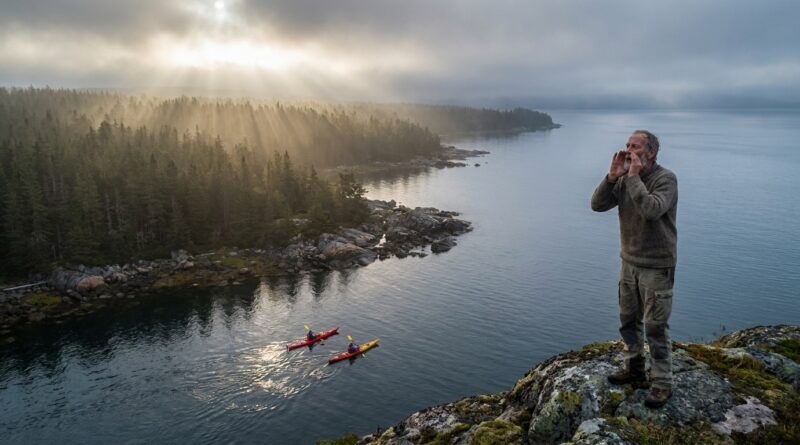
That fear hits hard because it is so basic. If something really went wrong, would anyone hear you? Would anyone come? A 70-year-old hiker on a remote island lived inside that question for eleven long days. He had no phone, no easy trail out, and no promise that rescue was even close. So he did the only thing left to do. He kept calling for help. Over and over, he shouted the same three words into the woods, even when nothing answered back. That detail is what makes this lost hiker miracle survival story stick with you. It is not just about wilderness survival. It is about what human beings do when silence starts to feel bigger than hope. He stayed alive long enough to be seen by two kayakers at just the right moment, near just the right stretch of shoreline. Sometimes survival is grit. Sometimes it is timing. Often, it is both.
⚡ In a Hurry? Key Takeaways
- This lost hiker miracle survival story came down to persistence, smart energy use, and a rescue that happened because he never stopped making himself findable.
- If you hike, always leave your route with someone, carry a whistle, water gear, and an emergency beacon if you can.
- The real lesson is not that wilderness is easy. It is that staying calm, staying put when needed, and continuing to signal can save your life.
What happened to the lost hiker?
The broad outline is almost painfully simple. A 70-year-old man became lost in a remote island wilderness and stayed missing for eleven days. During that time, he had no reliable way to call out electronically. No phone rescue. No app check-in. No quick share of his location.
So he relied on the oldest alert system there is. His own voice.
He reportedly shouted the same plea for help again and again, thousands of times. That image is hard to shake. Not because it sounds dramatic, but because it sounds exhausting. By the end of a day, most people would be hoarse, discouraged, and tempted to give up.
He did not give up.
Eventually, two strangers in kayaks spotted him near the shoreline. Not a search helicopter. Not a miracle gadget. Two people in the right place, at the right bend, at the right time. And because he had stayed alive and kept trying to be found, they were able to help end the nightmare.
Why this story lands so hard
There is the physical survival part, of course. Eleven days alone is serious. Exposure, dehydration, confusion, fatigue, hunger, and panic can pile up fast, especially for an older person.
But the emotional part is what catches in your throat.
Imagine calling for help into empty woods and hearing nothing back. Then doing it again. Then again the next day. Then again after almost two weeks. Most of us are not reading this as hikers. We are reading it as people who know what it feels like to ask for help and sit in the silence.
That is why this lost hiker miracle survival story feels bigger than one rescue report. It pushes back against the idea that silence means nobody is coming. Sometimes help is closer than you think. Sometimes it is moving toward you while you are still in the hardest part.
What likely helped him survive
He kept signaling
This is the big one. Rescuers, passersby, and search teams can only act on what they can detect. A voice, movement, bright clothing, reflective gear, smoke, a whistle, tracks near shore, any of it can make the difference.
His repeated shouting was not wasted effort. It was survival work.
He was still where people could eventually cross paths with him
One of the hardest choices when lost is whether to keep moving or stay put. There is no one-size-fits-all answer. But in many cases, wandering deeper can make things worse. If this hiker remained close enough to a visible shoreline area, that may have improved his odds when the kayakers came through.
He lasted long enough for luck to matter
People do not love hearing about luck in survival stories, but luck is real. A chance sighting matters. Good weather matters. A break in the terrain matters. The point is not to romanticize that. The point is to see that determination creates more chances for luck to find you.
The quiet survival lesson most people miss
Movies teach us that survival is all action. Run. Climb. Fight. Push through. Real life is often slower and less cinematic.
Real survival can look like this:
- Saving energy instead of burning it all at once
- Staying near a visible area
- Calling out at intervals
- Keeping your thoughts from spiraling
- Choosing not to quit when the world feels empty
That last one matters in every kind of wilderness.
If this story gets under your skin, it may remind you of The Hiker Who Walked Out Of Two Weeks In The Wild: Inside Malaysia’s ‘We Thought She Was Gone’ Rescue Miracle. Different place, different person, same stubborn thread running through it. Human beings can hold on longer than we think.
Practical advice for anyone who hikes
You do not need to be a hardcore outdoors person to learn from this. Most people who get into trouble did not plan to have a survival story.
1. Tell someone exactly where you are going
Not just, “I’m going hiking.” Leave the trail name, entry point, parking location, expected return time, and when they should worry.
2. Carry a whistle
A whistle carries farther than a voice and uses less energy. Three short blasts is a widely recognized distress signal.
3. Do not count on your phone
Battery dies. Signal disappears. Phones get wet, dropped, or smashed. They are useful, but they are not a rescue plan.
4. Pack the boring basics
Water, water treatment, a light, extra layers, snacks, a simple first-aid kit, and a way to start a fire. These are not exciting until they are the only reason you get home.
5. Consider a personal locator beacon or satellite messenger
If you hike in remote areas, this is one gadget that earns its place. It can alert rescuers when cell service cannot.
6. If you realize you are lost, stop early
Panic loves motion. People often make things worse by rushing deeper into unfamiliar terrain. Pause. Think. Check landmarks. Look for safer, more visible ground.
7. Make yourself easier to find
Bright clothing, reflective gear, repeated whistle blasts, signals near open spaces, and staying in an area where searchers might pass can all help.
Why the rescue by kayakers matters so much
The detail about two strangers in kayaks is not just a nice ending. It is the heart of the story.
It reminds us that rescues are often deeply ordinary. Not ordinary to the person being saved, of course. But ordinary in the sense that the people who help are often just people. Nearby people. Passing people. People who happened to look carefully.
That is worth sitting with.
A lot of us have been trained by the news to expect catastrophe without relief. We scroll through disasters, politics, outrage, and loss until it starts to feel like the normal shape of the world. Then a story like this cuts through and says, no, that is not the whole picture. Sometimes a man survives eleven days alone. Sometimes strangers notice. Sometimes the cry for help reaches human ears after all.
At a Glance: Comparison
| Feature/Aspect | Details | Verdict |
|---|---|---|
| Main survival factor | He kept calling for help and stayed alive long enough to be seen by kayakers. | Persistence mattered. |
| Biggest risk | Remote location, no phone help, age, exposure, and the mental strain of prolonged isolation. | This was a serious survival situation, not a minor delay. |
| Best takeaway for readers | Prepare before hiking, signal early, and do not assume silence means rescue is impossible. | Hope works best when paired with practical steps. |
Conclusion
This is what makes the story stay with you. It does not pretend the waiting was easy. It does not smooth over the fear, the exhaustion, or the awful stretch of time where nothing seemed to happen. But it gives us something solid in a moment when so many headlines teach the opposite. A man was lost for nearly two weeks. He kept calling out anyway. Two strangers in kayaks appeared at exactly the right moment, and his life changed because he did not stop trying to be heard. If you are carrying your own version of wilderness right now, grief, illness, money trouble, loneliness, this story offers a stubborn kind of comfort. Your cries matter. Persistence is not pointless. And help can be closer than it looks, even when the woods are still and the silence feels endless.