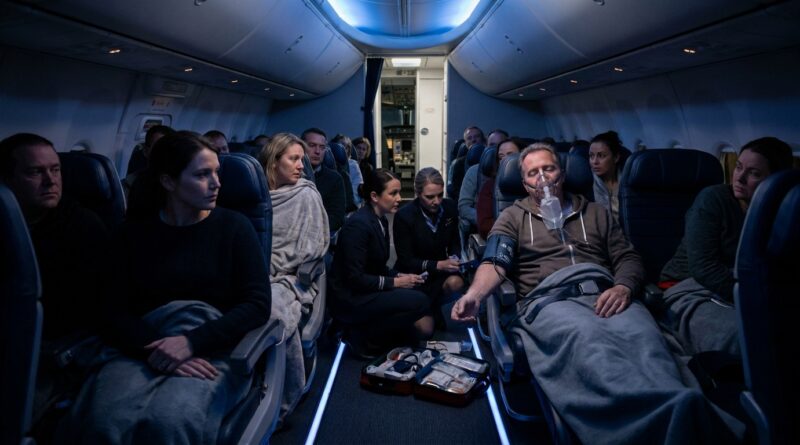
The Doctor Who Turned a Plane into an ICU: Inside a ‘You Just Saved My Life at 30,000 Feet’ Mid‑Air Miracle
It is a horrible thought because it feels so helpless. You are trapped in a metal tube, hours from home, and suddenly someone collapses. No urgent care. No quick drive to the ER. Just a seatbelt sign, a crowded aisle, and rising panic. That is why stories about a mid air miracle doctor saves passenger on plane hit such a nerve. They touch the fear many of us carry quietly, especially when we travel with older parents, kids, or someone with a health condition.
But here is the part that matters. Planes are not as cut off as they feel. Cabin crews train for medical events. Most commercial aircraft carry emergency kits, oxygen, and often an AED. Airlines can also patch into doctors on the ground while a volunteer medical professional onboard helps in real time. In the best cases, a calm passenger-doctor, a steady crew, and basic tools can turn a few rows of seats into something close to a working ICU. Not perfect. Not a hospital. But far from hopeless, and sometimes enough to save a life.
⚡ In a Hurry? Key Takeaways
- A true in-flight medical emergency is frightening, but planes do have trained crews, medical kits, oxygen, AEDs, and ground-based doctor support.
- Before you fly, put one key medical detail on your phone lock screen: name, emergency contact, major condition, allergies, and medications.
- If a crisis happens, ask the crew three things right away: Is there medical help onboard, do we have oxygen/AED access, and are we speaking to a doctor on the ground?
How a packed plane can become an emergency room
When people hear about a doctor stepping in mid-flight, it sounds like luck. Sometimes it is. But there is also a system behind the miracle.
Flight attendants are trained to spot distress, clear space, bring emergency gear, and coordinate fast. If a passenger loses consciousness, has chest pain, breathing trouble, or signs of stroke, the crew starts a chain reaction. They make an announcement for medical professionals onboard. They bring oxygen. They open the emergency medical kit if airline rules allow it. They may get the AED ready. And they often contact medical support on the ground through the cockpit.
That is how an ordinary cabin can suddenly work like a stripped-down ICU. One person assesses the patient. Another gets vital information. Another manages crowd control. Someone notes the time symptoms started. The pilots decide whether to divert.
It is messy, cramped, and stressful. But it is not chaos when the crew and a calm doctor click into place.
What the doctor likely did first
The first steps are usually simple, not dramatic.
1. Check responsiveness and breathing
Can the person answer? Are they breathing normally? Are they confused, pale, sweaty, blue around the lips, clutching their chest?
2. Ask for history fast
Do they have heart disease, diabetes, asthma, seizures, severe allergies? What meds do they take? Did this start suddenly?
3. Use the tools onboard
Oxygen can help in many situations. An AED can be life-saving in cardiac arrest. A blood pressure cuff, stethoscope, and basic supplies may be in the kit. Some flights also have pulse oximeters or glucose testing equipment, depending on airline and route.
4. Help the cockpit decide whether to divert
This is a huge call. Diverting costs time, money, and disrupts the flight. But if someone may be having a heart attack, stroke, severe allergic reaction, uncontrolled bleeding, or a life-threatening breathing problem, landing early can be the difference.
Why these stories feel like miracles, but are also about preparation
The miracle part is human. A doctor gives up anonymity, kneels on a dirty floor, and starts helping. Flight attendants switch from beverage service to emergency teamwork in seconds. Passengers move, stay back, hold a bag, find a translator, or comfort family.
The practical part matters too. A lot of the outcome depends on information. And this is where regular travelers can do something very useful before they ever board.
The one medical detail to add to your phone lock screen
If you do only one thing after reading this, do this.
Put a short emergency medical note on your lock screen, or use your phone’s Medical ID feature. Keep it brief and readable.
What to include
Name. Emergency contact. Major medical conditions. Serious allergies. Current medications. Optional but helpful: blood thinner use, implanted devices, and your doctor’s name.
Example:
“Jane Miller. ICE: Tom Miller 555-123-4567. Type 1 diabetes. Penicillin allergy. Takes insulin and Eliquis.”
Why this helps is obvious the second someone is unconscious. A stranger does not need your whole chart. They need the details that can change treatment right now.
The three questions to ask a flight attendant in a crisis
If your spouse, parent, or child gets sick in the air, panic will try to run the show. Borrow these three questions so your brain has a job.
1. “Is there a medical professional onboard?”
This tells you whether a doctor, nurse, paramedic, or other trained person is already helping or being called.
2. “Do you have oxygen and an AED ready?”
You do not need to diagnose anything. This question makes sure lifesaving basics are being brought now, not later.
3. “Are the pilots speaking with medical support on the ground?”
This tells you the system is active beyond the cabin. It also helps clarify whether diversion is being considered.
Notice what these questions do. They move you from blind fear to useful awareness.
What you can do before a flight if you are traveling with an aging parent or a child
This is where peace of mind starts. Small prep beats big worry.
Carry meds in the cabin, never in checked bags
Include original labels if possible. Bring extra doses in case of delays.
Keep a short paper list too
Phones die. A folded card with medications, diagnoses, allergies, and emergency contacts is still smart.
Pack a few basics
Glucose tabs, inhaler, EpiPen, anti-nausea supplies, a pulse oximeter if your doctor recommends it, and snacks that fit the traveler’s condition.
Know the person’s baseline
If your parent normally has low oxygen, confusion, or mobility limits, tell the crew early if something changes. “This is not normal for him” is very useful information.
Choose seats with access in mind
An aisle seat near the middle or front can make it easier to get help and move if needed.
The mindset shift that helps most
The scariest part of an in-flight medical emergency is the feeling that nothing can be done until landing. That is often not true.
You may be stuck in the air. But you are not powerless up there.
There may be a doctor in 14C. There is almost certainly oxygen onboard. There is a trained crew. There may be an AED within steps. There is a cockpit with communication links and decision-making authority. There may be medical experts on the ground already advising the crew while the cabin works the problem.
That does not erase risk. It does replace total helplessness with a more accurate picture.
What to expect if you volunteer to help
Many readers wonder about this too. If you are a medical professional and identify yourself, the crew will usually ask for credentials if available, bring the kit, and connect you with ground support. In many places, Good Samaritan protections exist for people who help in emergencies in good faith, though details vary.
The bigger point is this. Airlines expect that volunteer help may be part of the response. It is not weird. It is built into how these events are managed.
Why this story matters right now
Travel is busy again. Cabins are full. More families are flying with grandparents, toddlers, and people managing chronic health issues. Quiet anxiety comes with that.
Stories where a mid air miracle doctor saves passenger on plane are not just viral feel-good moments. They are reminders that preparation, teamwork, and calm matter more than people realize.
At a Glance: Comparison
| Feature/Aspect | Details | Verdict |
|---|---|---|
| Medical help onboard | Flight attendants, emergency kit, oxygen, and often an AED. Sometimes a doctor or nurse is among passengers. | Much better than “no help,” but still not a substitute for a hospital. |
| Best passenger preparation | Medical ID on lock screen, meds in carry-on, paper emergency list, and condition-specific supplies. | High value, low effort. Do this before your next trip. |
| What to do during a crisis | Alert crew fast, answer questions clearly, ask about onboard medical help, oxygen/AED, and ground-doctor support. | Staying calm and specific can speed up care. |
Conclusion
That is why these stories stick with us. They begin with the fear we all know. Someone gets sick in the sky, and everybody feels the distance from real care. But they end with a better truth. A calm crew, basic equipment, smart communication, and one decent human being willing to step forward can change everything. For a lot of travelers today, especially those carrying quiet worry about aging parents, children, or their own health, that matters. It gives hope, yes, but it also gives a plan. Add key medical info to your lock screen. Keep meds in your carry-on. Ask the three questions if a crisis starts. Most of all, hold onto this mindset shift. You may be in the air, but you are not helpless. We are not powerless up here.