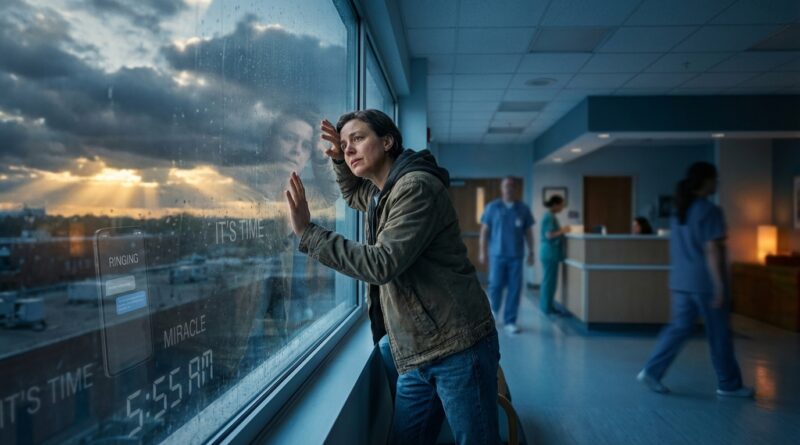
How to Hold On When All Hope Is Gone: The Best Way to Spot a Miracle While It Is Still Unfolding
Some days it feels foolish to keep hoping. The headlines are brutal. Your own life may feel stuck in a loop of bad news, silence, and waiting. You pray. You do the practical things. You try not to spiral. And when nothing changes, it is easy to wonder if a real life miracle happening right now is always happening somewhere else, to someone else, but never here.
The harder truth is that miracles rarely look polished while they are unfolding. They do not arrive with music and certainty. They often begin as a phone call that comes five minutes later than it should have. A nurse deciding to check one more time. A volunteer turning down one side road. A parent getting the odd feeling not to give up yet. If you want to spot a miracle before the whole story is wrapped up, you have to look for the small facts first. Timing. Movement. Compassion. The thing that should not have lined up, but somehow did.
⚡ In a Hurry? Key Takeaways
- A miracle in real life often starts small, messy, and easy to miss before the full outcome is clear.
- If you are in the waiting phase, write down the exact details, timing, and unexpected kindnesses so you can see what is changing.
- Hope is not denial. Keep following medical, legal, and safety advice while staying open to good news that does not make sense yet.
Why miracles are hard to recognize in the moment
Most people expect a miracle to feel obvious. Clean. Final. But real life is usually noisy.
A child is still missing, even though one clue finally turned up. A patient opened their eyes, but doctors are still cautious. The job offer came through, but the bills are still due. During those first 24 to 48 hours, the good news is real, but so is the fear.
That is why many people miss what is happening. They are waiting for a complete ending when the miracle has already started in fragments.
A simple story that shows how this really looks
Picture an ordinary woman named Elena. Her brother had been in a coma for nine days after a crash. The doctors were careful with their words. Family members were exhausted. By that point, every phone vibration felt like a threat.
Then, at 6:12 a.m., a night nurse noticed his fingers twitch when Elena spoke. Not a dramatic movie scene. Just a tiny movement. The nurse could have brushed it off. Instead, she asked Elena to repeat his name. The fingers moved again.
At 7:03 a.m., another nurse confirmed it. At 8:40 a.m., he squeezed a hand once. By noon, he was still not fully awake. Nothing was settled. No one was celebrating yet. But something had shifted.
What made this feel like a real life miracle happening right now was not just the final outcome. It was the chain of small, verifiable details. A nurse paying attention. A sister staying in the room instead of going for coffee. A timing window that could easily have been missed. The decision to check again.
By the next day, he opened his eyes for longer stretches. Two days later, doctors were using words they had not used before. Responsive. Encouraging. Promising.
Even then, the family did not say, “Everything is fixed.” They said, “This should not have happened this way, and yet it did.” That is often the truest language for a miracle.
What to look for when hope feels almost gone
1. Look for movement, not perfection
We tend to dismiss partial progress because it is incomplete. But incomplete does not mean insignificant.
One new lead in a missing person search matters. One test result improving matters. One person remembering a detail they forgot to mention matters. Miracles often begin as movement in the right direction, not instant resolution.
2. Pay attention to timing
When people tell these stories later, timing is usually where everyone goes quiet for a second.
The call came just as they were about to stop searching. The backup doctor happened to be on shift. A neighbor checked the camera footage one last time. A storm paused long enough for rescuers to move in.
This is not about forcing meaning into every coincidence. It is about noticing when several thin threads suddenly form a rope.
3. Notice intuition, but test it against facts
Many people who live through near-impossible turns describe a strong nudge. Search that field again. Ask for one more scan. Call that friend. Stay five more minutes.
Intuition matters. So do facts. The healthiest way to hold both is simple. Take the nudge seriously, then check it in the real world. Ask the question. Make the call. Confirm the detail.
Hope gets stronger when it has something solid to stand on.
4. Do not overlook compassion
One of the most common miracle details is not supernatural in the flashy sense. It is human kindness arriving at the exact right time.
A volunteer who refuses to leave. A doctor who explains things one more time. A stranger who shares a post that reaches the person who knows something. A friend who pays for gas so the family can keep driving back and forth to the hospital.
Compassion changes outcomes. Sometimes that is the miracle. Sometimes it is the bridge to the miracle.
How to hold on while the story is still unfinished
This is the part people do not talk about enough. The waiting room phase is brutal.
You may be too tired to feel inspired. Too scared to be positive. Too numb to pray fancy prayers. That does not mean you are faithless. It means you are human.
Keep a plain record
Write down what happened. Times. Names. Test results. Tiny changes. Who said what. Which door unexpectedly opened.
When you are overwhelmed, your mind can flatten everything into “nothing is happening.” A record pushes back against that.
Let hope be small if it needs to be
You do not need to feel certain. Sometimes hope is just saying, “I will stay open for one more day.”
That counts.
Share the middle, not just the ending
The problem with glossy testimony culture is that it often skips the confusing middle. People hear the polished version after the fact and think their own messy experience does not qualify.
But the middle is where most readers actually live. If you tell the truth about that part, your story becomes useful, not just impressive.
What a real life miracle happening right now usually does not look like
It usually does not look instant. It does not always erase grief. It does not mean there will be no setbacks. And it does not remove the need for doctors, search teams, police work, counseling, rest, or hard choices.
It often looks ordinary at first. So ordinary you could miss it if you only expect fireworks.
That is why these stories matter. They retrain your eyes.
How communities can get better at seeing hope
When people only post dramatic endings, everyone else feels left behind. But when people share the details of how the turn began, others start recognizing similar patterns in their own lives.
They remember the nurse who stayed late. The unlikely referral. The call answered at the exact moment it was needed. The search volunteer who noticed the shoe by the ditch. The teacher who sensed something was wrong and spoke up.
Those details help a tired community say, “Wait. Maybe I have seen this too.”
That shift matters. It helps people feel less isolated. It also gives language to the stories that are still unfolding.
At a Glance: Comparison
| Feature/Aspect | Details | Verdict |
|---|---|---|
| What miracles look like at first | Small changes, odd timing, one more chance, unexpected help | Easy to miss, but often real |
| Best way to respond | Track facts, stay present, follow expert advice, remain open to change | Hopeful and grounded |
| Biggest mistake | Waiting for a perfect ending before admitting something good has started | Can hide hope in plain sight |
Conclusion
If you are tired of crisis headlines and polished stories that feel far away from real pain, it helps to remember this. A miracle often becomes visible in the first 24 to 48 hours through details that can be checked. The timing. The intuition that led to one more try. The compassion of people who did not quit. The result that should not have worked out, but somehow did. Stories told this way do more than inspire for a minute. They teach you how to recognize hope while it is still forming. They help you reinterpret your own life with more honesty and less despair. And if you are still in the waiting room phase, not at the ending yet, that matters deeply. You may not be watching nothing. You may be watching the first quiet pieces of an answer come together.